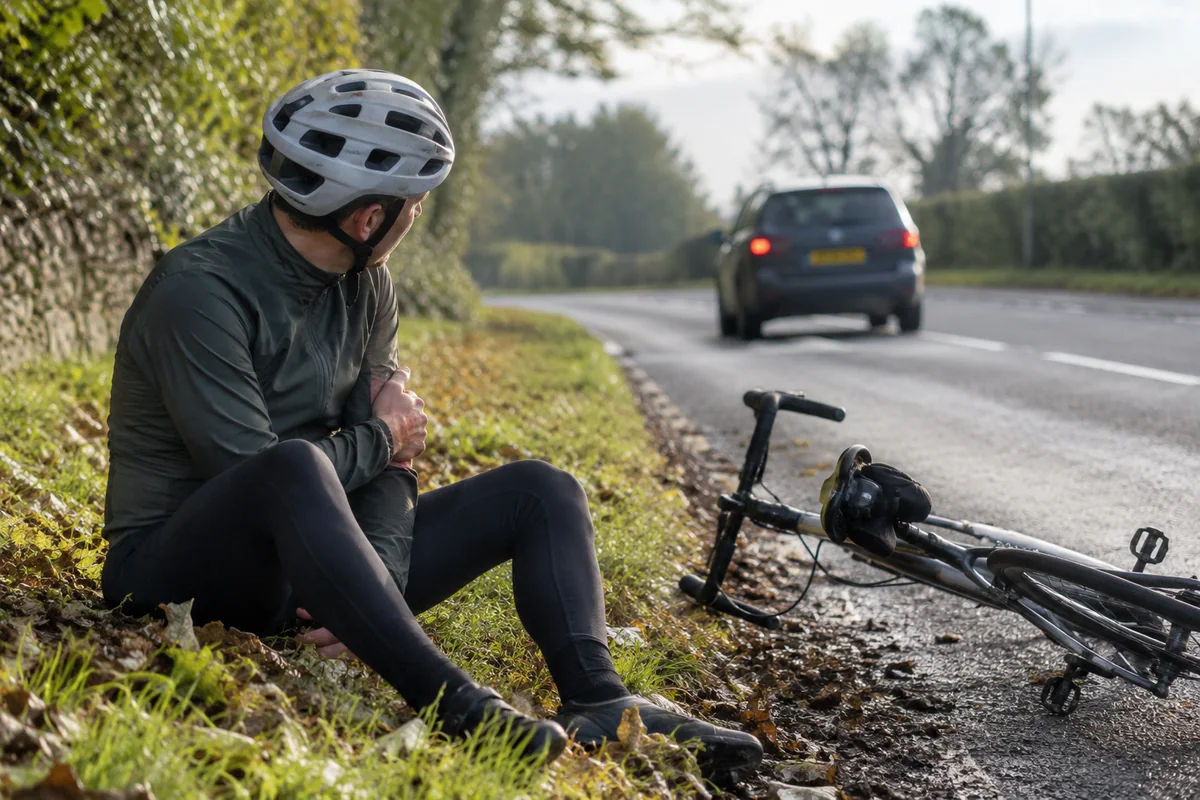
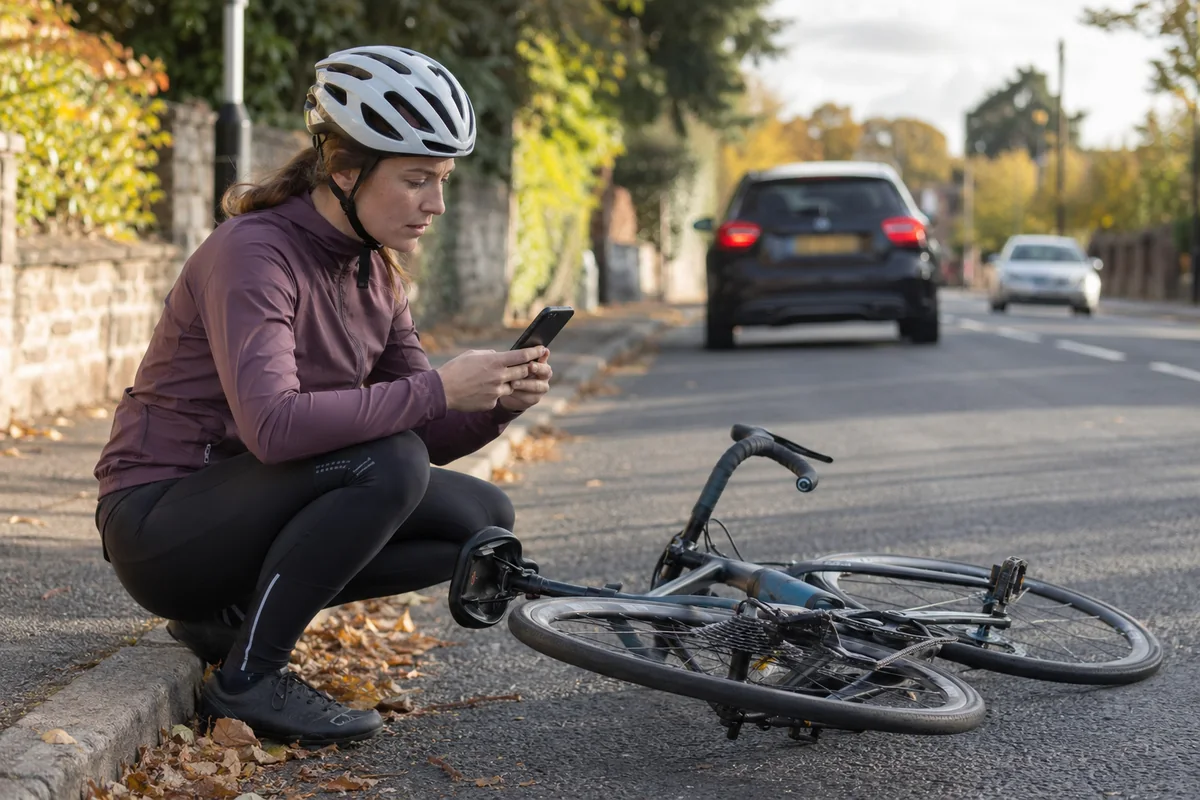
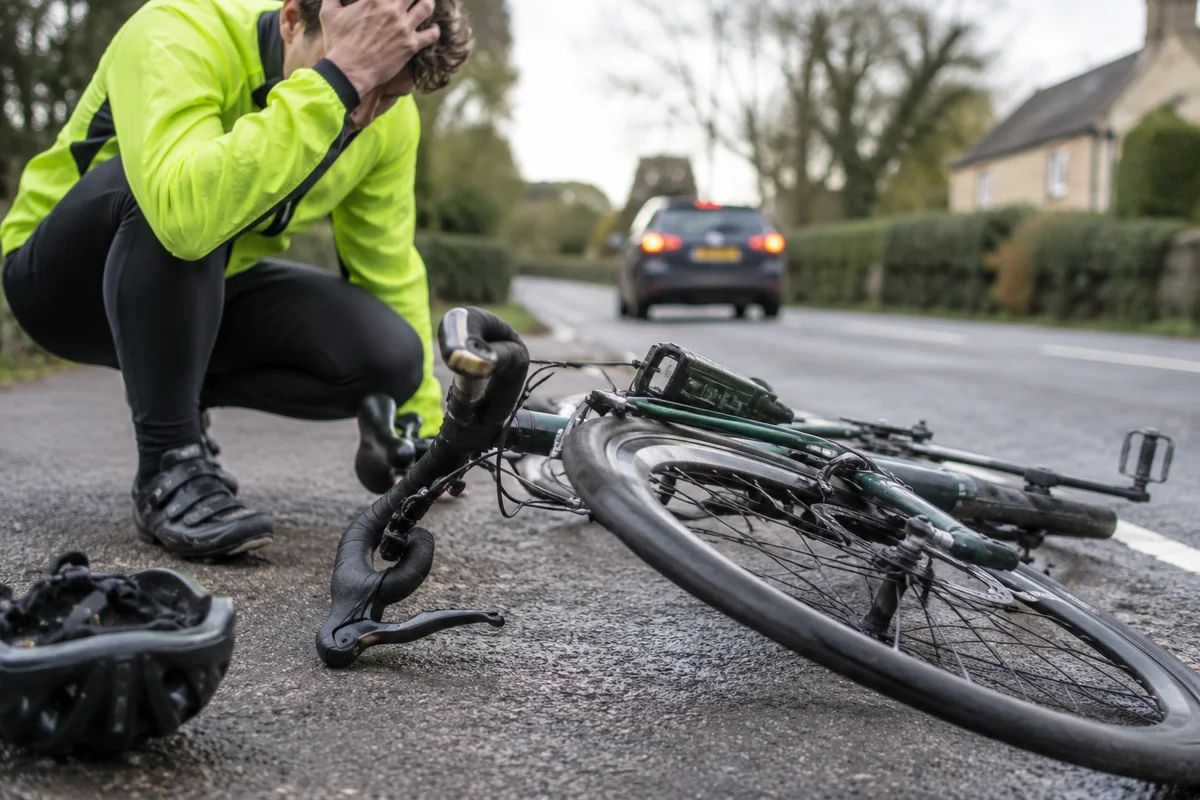
The short version
- Put safety and treatment first
- Report promptly
- Preserve registration and footage
- Use the official MIB eligibility route
Uninsured and untraced are different
An uninsured case normally involves an identified driver without valid insurance. An untraced case involves a driver who cannot be identified, often after leaving the scene.
The MIB uses different agreements and requirements. Select the correct route and provide accurate information rather than guessing status.
Preserve useful evidence
Record a full or partial registration, vehicle description, direction of travel and driver details. Ask witnesses to note their own recollection and identify doorbell, traffic, bus, helmet or shop cameras.
Keep police details, medical information, repair assessments, damaged equipment and proof of financial loss. Give evidence to police rather than confronting a suspected driver.
Start with the official process
The MIB provides an online route for claims involving uninsured, untraced and foreign-registered vehicles. Its agreements determine eligibility, evidence, exclusions and time limits.
Notify any personal insurance that may apply. Serious injury, disputed facts, children and long-term loss warrant qualified legal advice promptly.
Check the current guidance
Rules, schemes and product ranges can change. These live links are the authoritative or independent starting points used for this guide.