The short version
- Check memberships and home cover first
- Match the policy to leisure or business use
- Do not speculate about fault
- Report incidents promptly
What liability cover addresses
The cover responds to eligible claims that the insured cyclist is legally liable for injury or property damage. It is different from protecting the rider's own bicycle, income or injuries.
Policy limits can look large, but defence costs, territories, exclusions and insured activities determine usefulness.
Look for cover already in place
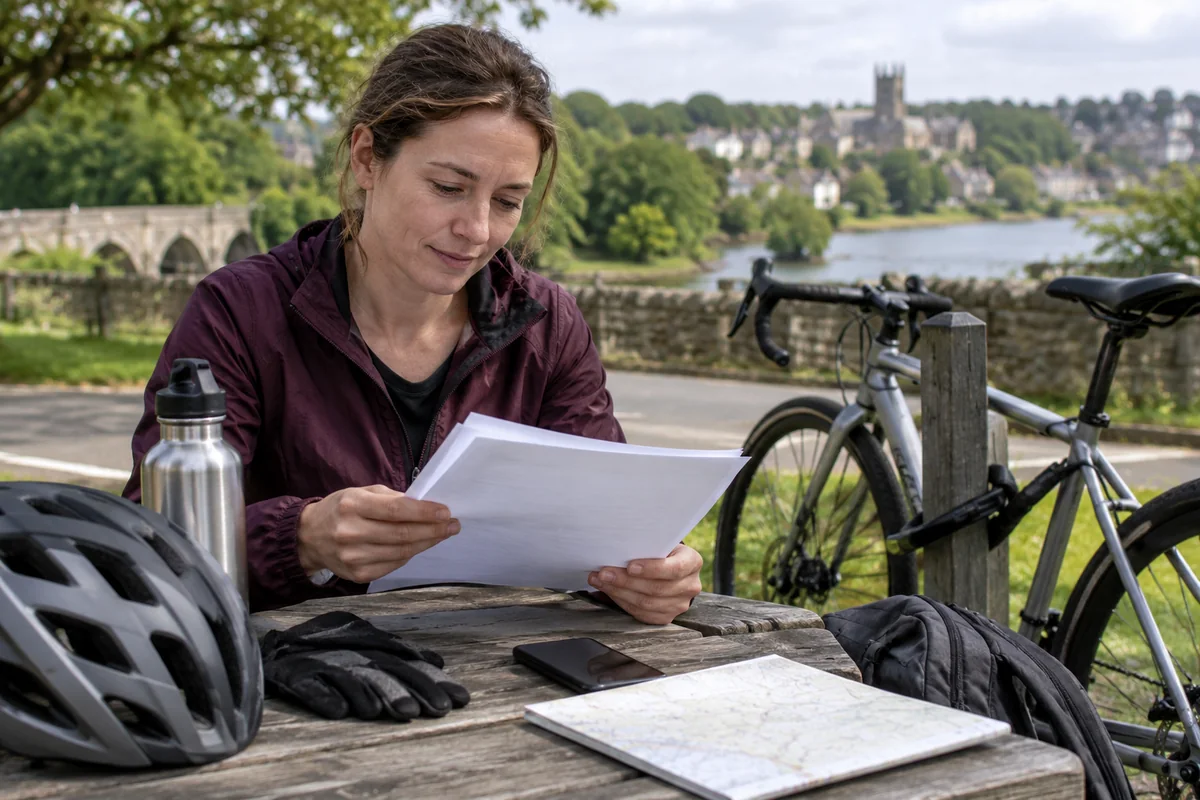
Cycling organisations, trade unions, household policies and specialist bicycle policies may include some liability protection. Check who is insured and whether commuting, events, racing or paid work applies.
Several memberships do not necessarily combine their limits. Record which provider should be notified.
Business use changes the question
A leisure or commuting policy may exclude delivery work, courier activity or coaching. A paid rider should describe the work accurately and consider equipment, accident and income risks separately.
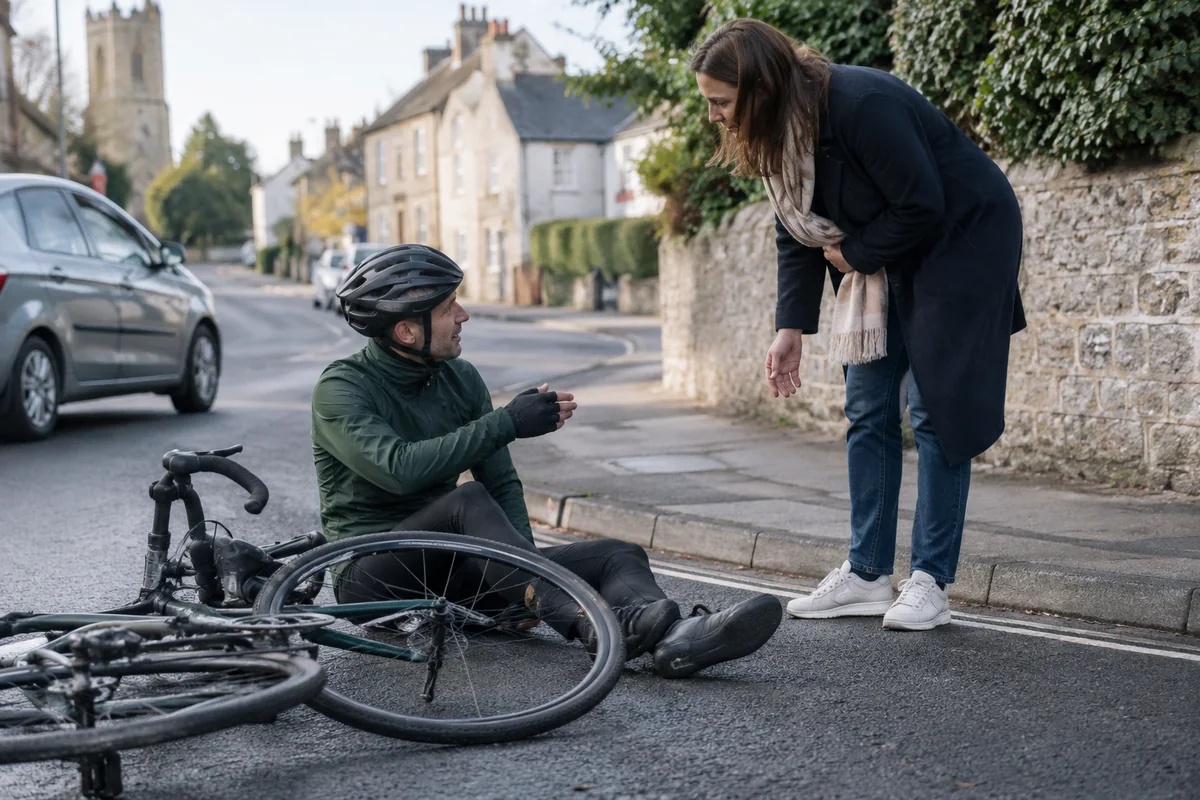
After an incident, prioritise safety, exchange factual details where required, preserve evidence and notify the insurer without making speculative admissions.
Check the current guidance
Rules, schemes and product ranges can change. These live links are the authoritative or independent starting points used for this guide.