The short version
- Read the policy certificate
- Verify the current lock rating
- Secure the frame to an immovable object
- Keep purchase and lock evidence
Choose a starting point for your budget
| Purchase | What to check | Options |
|---|---|---|
| Everyday kit, around £100 or less | Match the size, fittings and specification, then check the total including delivery. | Check Amazon price |
| Premium or specialist equipment | Compare fit, materials, support and the exact version before committing. | Compare specialist options |
The policy decides the minimum
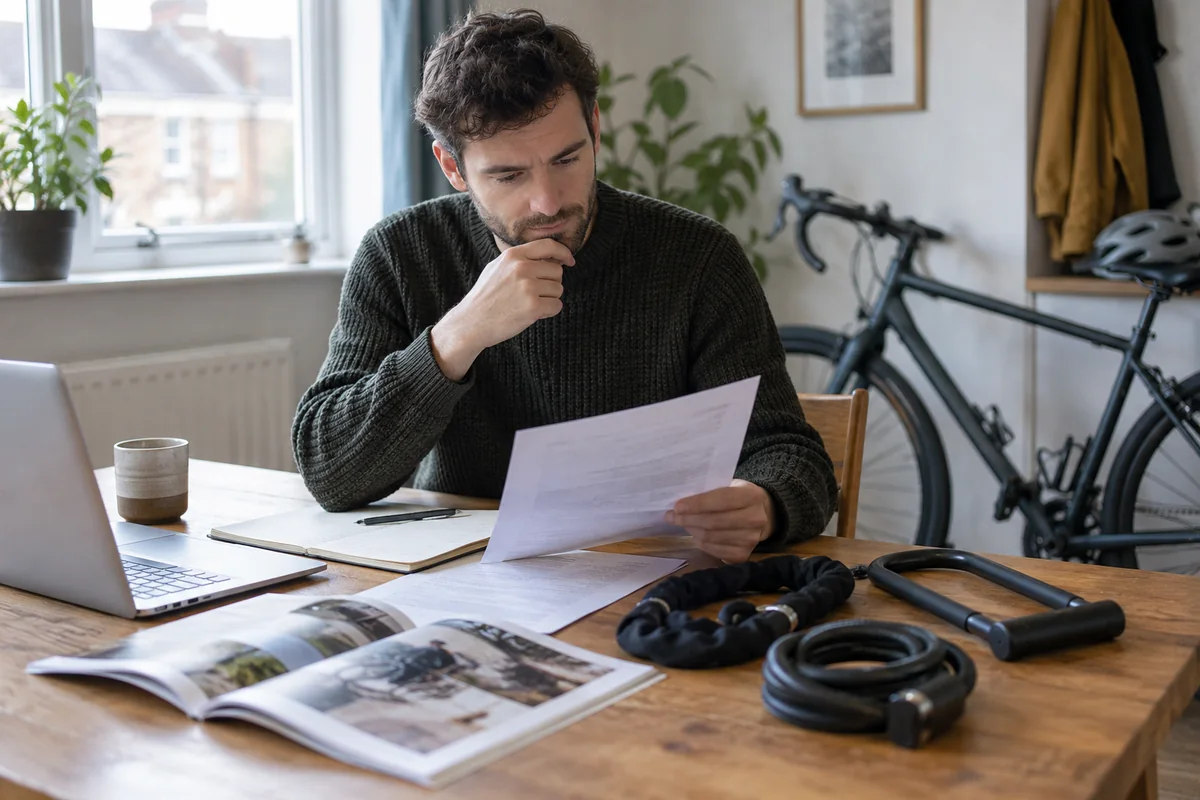
Security ratings help compare products, but the insurer decides which rating is acceptable for the bicycle value and location. Check the wording and schedule together.
Product names can remain in shops after certifications change. Verify the exact model in the rating body's current directory.
Approved hardware can still be used incorrectly
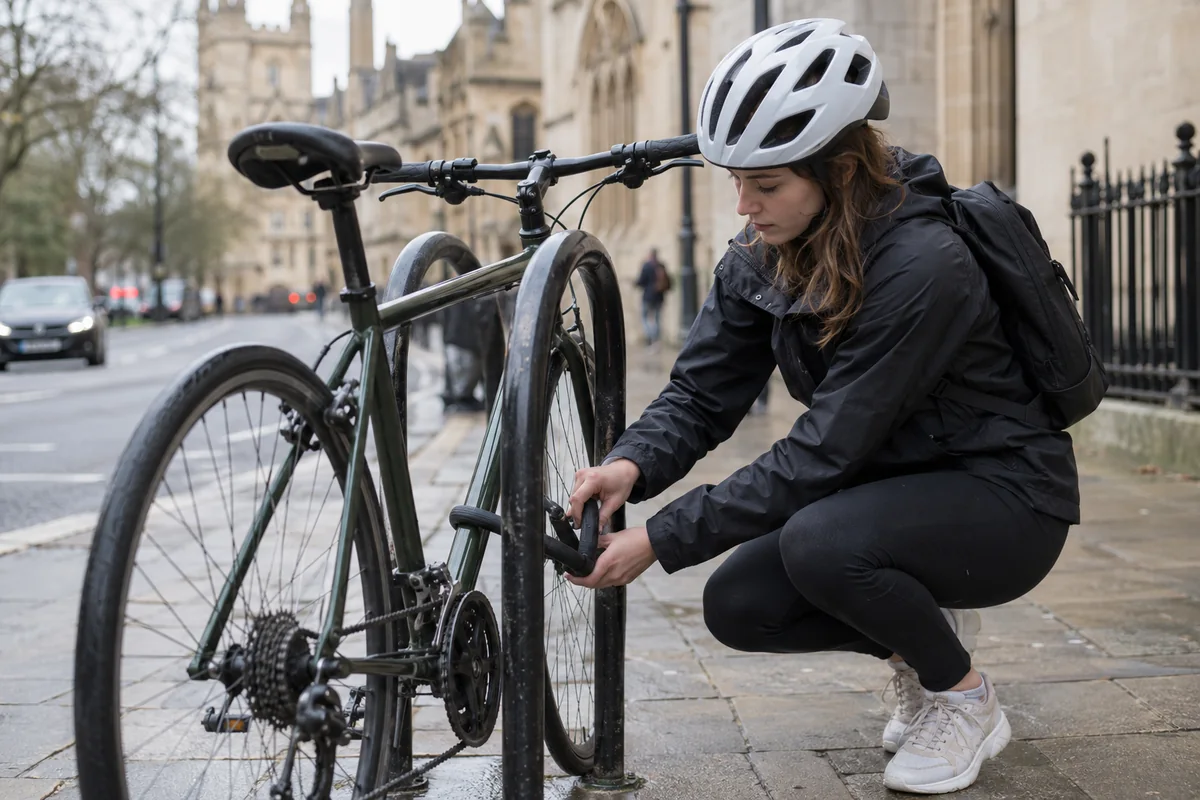
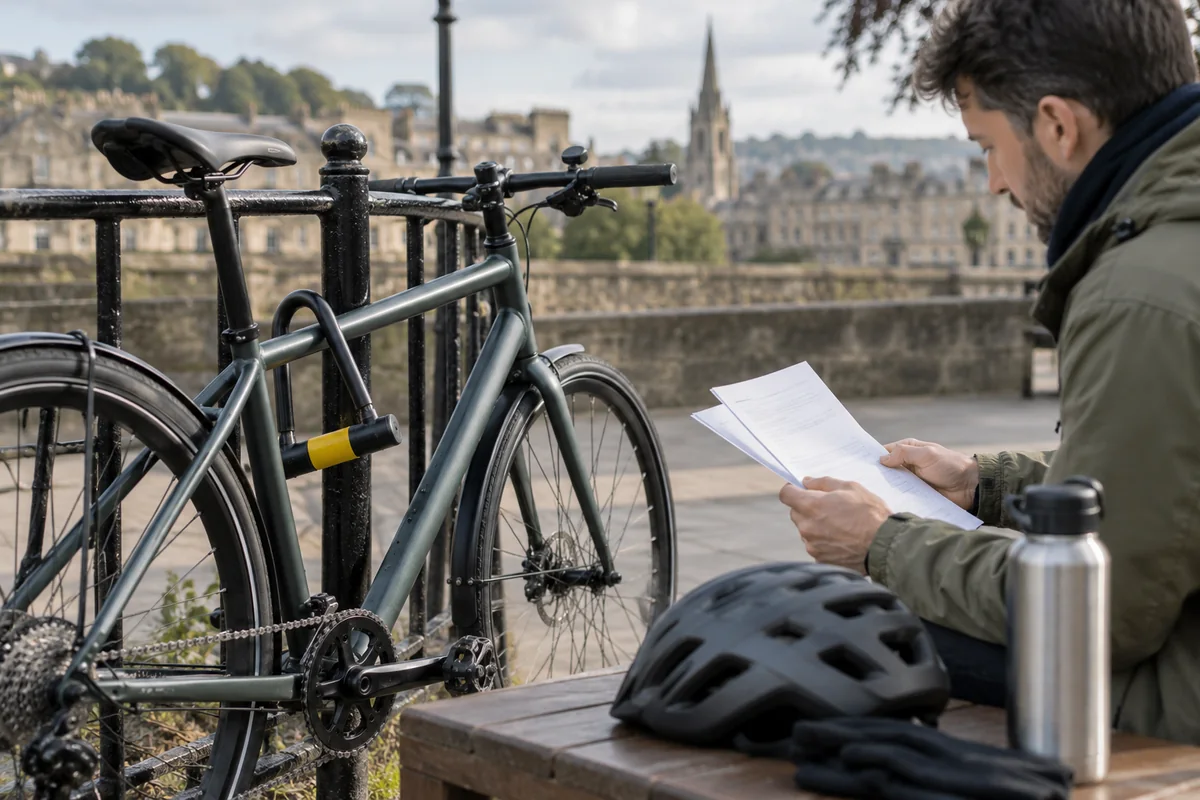
Pass the primary lock through the frame and a genuinely immovable object. Reduce spare space, keep it away from the ground and protect removable wheels where needed.
A railing that can be unscrewed, a short post or a lock around only one wheel may fail practically and contractually.
An option to compare with your policy, not a guarantee of insurance cover. Check the exact model and current security rating against your insurer’s written requirements.
Plan for home and overnight storage
Sheds, garages and communal stores can have separate door, lock and ground-anchor conditions. A locked outer door may not remove the need to secure the bicycle itself.
Keep the receipt and photographs of the lock model and keys. After theft, preserve a damaged lock if available and follow the insurer's evidence instructions.
Check the current guidance
Rules, schemes and product ranges can change. These live links are the authoritative or independent starting points used for this guide.