Vitus Dee City Bike Tourney: the current position
Vitus describes the current Dee Tourney as a simple, durable city bike for daily journeys. Its mountain-bike-sized wheels and straightforward flat-bar layout retain the original model's robust urban character, while a Shimano Tourney seven-speed drivetrain makes the bike usable across a wider range of gradients.
The current Dee collection also demonstrates why the exact model suffix matters. Buyers should compare the live specification and frame size rather than relying on memories of the older Dee 1, whose single-speed transmission created a very different riding experience.
- Aluminium city-bike frame
- 29-inch wheels
- Shimano Tourney seven-speed drivetrain
- Disc brakes
- Flat-bar urban riding position
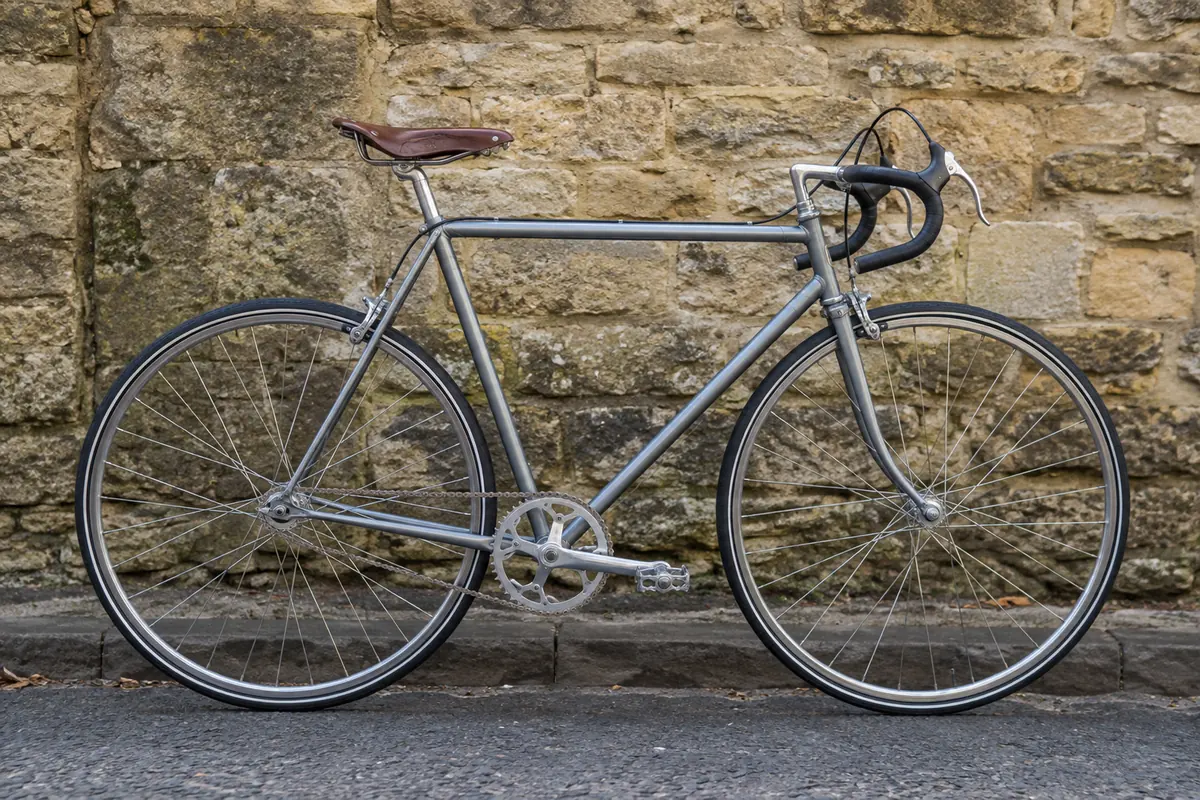
Earlier and current versions
RideIn's older Dee 1 review focused on a single-speed drivetrain, rigid steel fork and wide tyres. The current geared Dee sacrifices some of that mechanical minimalism but gives riders more useful choices for hills, headwinds and luggage.
The shared idea is a tough, uncomplicated urban bike rather than a lightweight road machine. Disc condition, wheel trueness and the correct frame size matter more to a present-day buyer than an old model's rating or launch price.
This link opens MyNextBike's current second-hand Vitus collection rather than a guaranteed listing for the reviewed Vitus Dee 1. Stock and prices change.
Equipment and practical details
The Vitus Dee City Bike Tourney should be judged as a complete bicycle rather than by one headline component. Frame fit, usable gearing, braking, tyre choice and mounting points determine whether it works for the intended route.
- Aluminium city-bike frame
- 29-inch wheels
- Shimano Tourney seven-speed drivetrain
- Disc brakes
- Flat-bar urban riding position
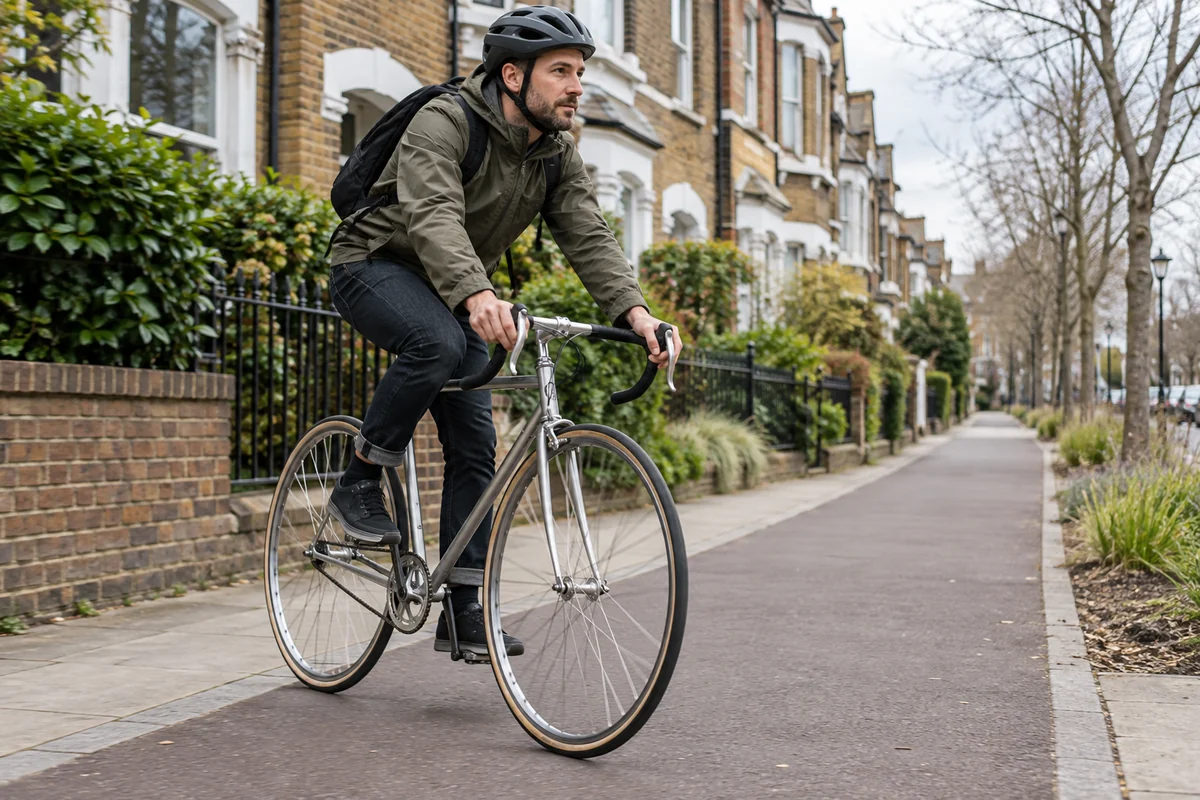
How it rides and who it suits
The current Dee suits short and medium urban rides where durability and control matter more than outright speed. Seven gears are enough for moderate terrain, although very steep routes may justify a wider range.
Check whether the live model includes the mounts and accessories your commute needs. Full-length mudguards, reliable lights and a secure lock can make more difference to daily usefulness than a small component upgrade.
Checks before buying
Manufacturers can change components during a model's sales life, and shop stock can span more than one production run. Check the exact bicycle being offered rather than relying on the family name alone.
- Confirm the exact current specification on the retailer page
- Choose by reach and riding position, not only the nominal frame size
- Check tyre clearance plus rack, mudguard and bottle-mount compatibility
- Allow for pedals, lights, a lock and any workshop setup in the complete cost
Ownership, setup and safety
A new bicycle still needs correct assembly and a safety check. Confirm wheel security, bar and stem alignment, brake operation, gear adjustment and tyre pressure before the first road ride. Use the component maker's torque values rather than guessing.
Keep the drivetrain clean, inspect the tyres and brake pads, and deal with play or unusual noise early. A qualified mechanic should assess suspected structural damage, persistent brake problems or work that requires specialist tools.
How this page was produced
This is a source-based assessment of the linked current information. RideIn has not carried out a new hands-on test unless the page explicitly documents one.