The short version

  • The bike is not automatically transferred
  • Read the provider's options
  • Early transfer can create taxable value
  • Keep confirmation of the outcome
01

Why ownership remains separate

The exemption depends on the employee not owning the equipment during hire. Any later transfer should be under a separate agreement and reflect the tax rules then in force.

HMRC publishes a simplified approach to disposal values. Providers can also use extended-use arrangements that delay ownership until market value is lower.

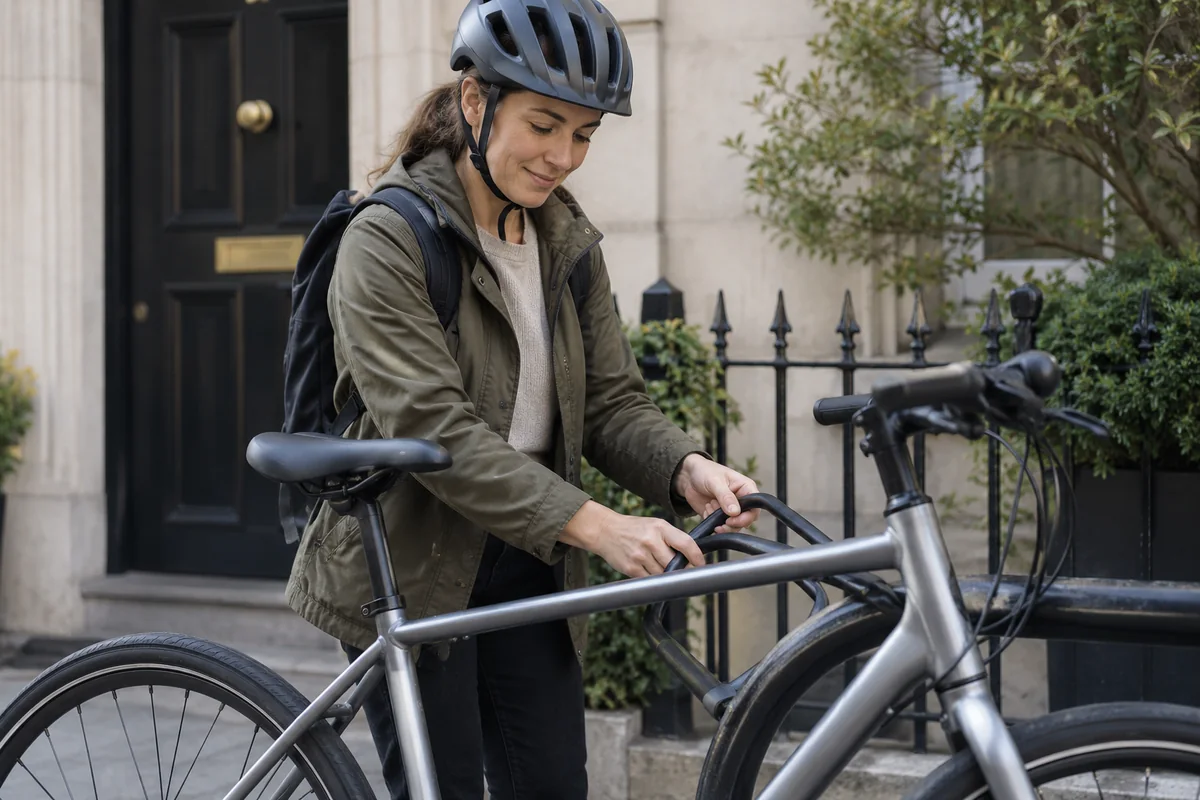
Everyday cyclist riding a practical commuter bike on a protected British cycle lane
02

Common categories of option

Not every provider offers every option. A nominal charge after an extended period is different from immediate ownership at the end of salary sacrifice.

  • Return the bicycle
  • Buy at an acceptable market value
  • Enter an extended-use arrangement
  • Accept a taxable transfer where offered
  • Follow a provider-specific ownership process
03

Check the figures before joining

Ask for a written explanation of options, charges, timing and responsibility for loss or damage during any extension. Treat promotional savings as provisional until these costs are included.

Keep the final transfer or return confirmation because it records who owns the bicycle.

Commuter bicycle being inspected in a clean independent workshop
04

Make the journey repeatable

Test the complete door-to-door journey outside rush hour before relying on it. Check difficult junctions, surfaces, gradients, cycle parking and the return direction, which may use different one-way streets or feel very different after dark. A slightly longer route through calmer streets can be easier to repeat than the line a car would take.

Prepare lights, lock, clothing and luggage the night before. Start with one or two predictable rides each week and keep a backup travel option for severe weather, illness or a mechanical problem. Cycling to work does not need to be an all-or-nothing promise.

05

Review the routine, not just speed

Time locking up, removing lights, storing wet kit and changing clothes as part of the commute. If the routine fails, identify the single biggest source of friction: an unpleasant junction, nowhere secure to leave the bicycle, an overloaded backpack or no place for wet clothing.

Change one thing at a time and assess it over several journeys. Route choice, reliable tyres, full mudguards or leaving shoes at work often improves consistency more than a faster bicycle or specialist clothing.

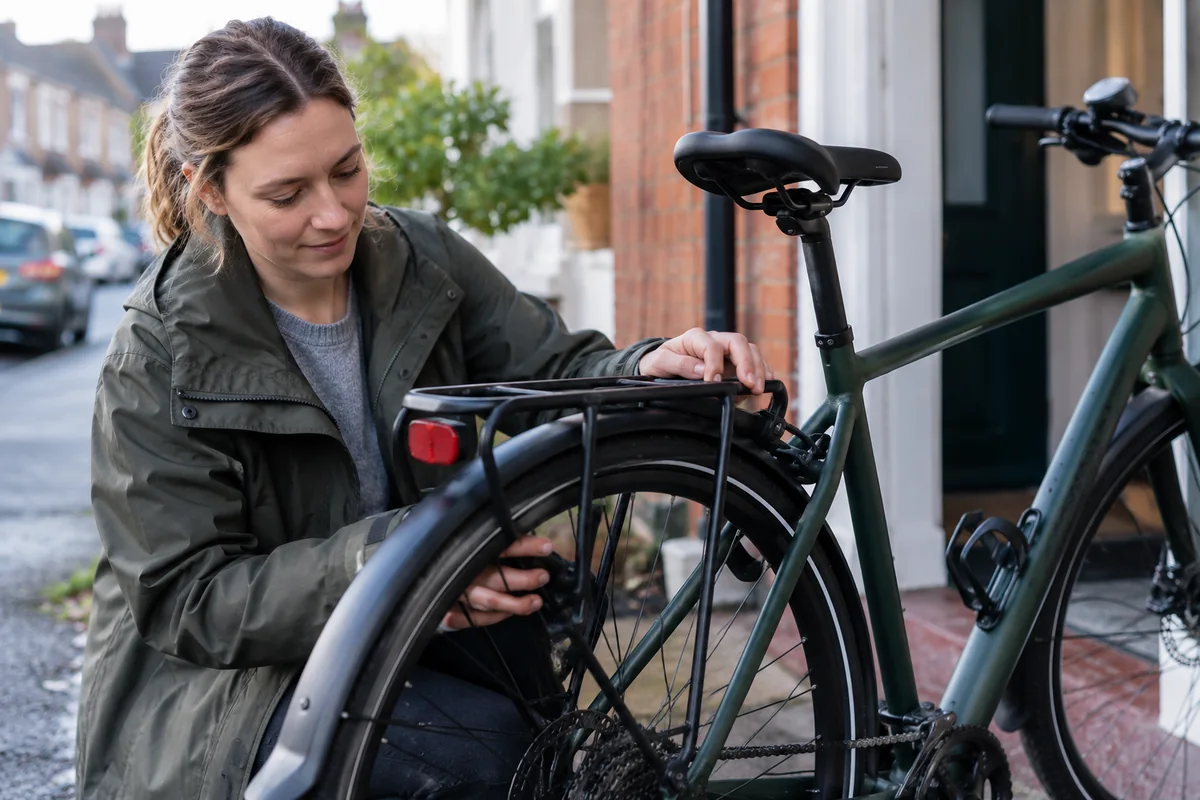
Older commuter bicycle details being checked before a used-bike purchase
Primary sources

Check the current guidance

Rules, schemes and product ranges can change. These live links are the authoritative or independent starting points used for this guide.