The short version
- Secure the frame to an immovable object
- Use the smallest practical gap
- Protect removable wheels
- Match the rating to insurer requirements
- Avoid relying on a thin cable alone
Choose a starting point for your budget
| Purchase | What to check | Options |
|---|---|---|
| Everyday kit, around £100 or less | Match the size, fittings and specification, then check the total including delivery. | Check Amazon price |
| Premium or specialist equipment | Compare fit, materials, support and the exact version before committing. | Compare specialist options |
Lock types
A second lock of a different type can force a thief to use more than one tool. That can be worthwhile for higher-value bikes or predictable all-day parking.
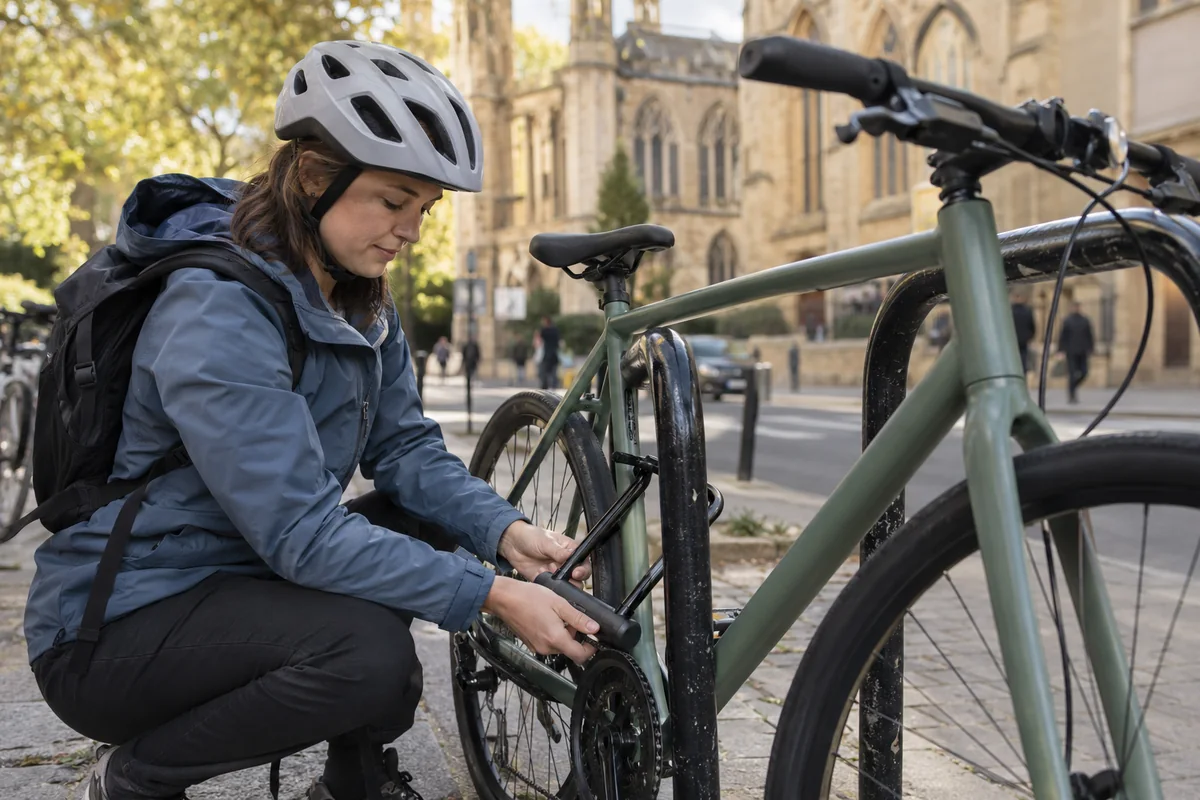
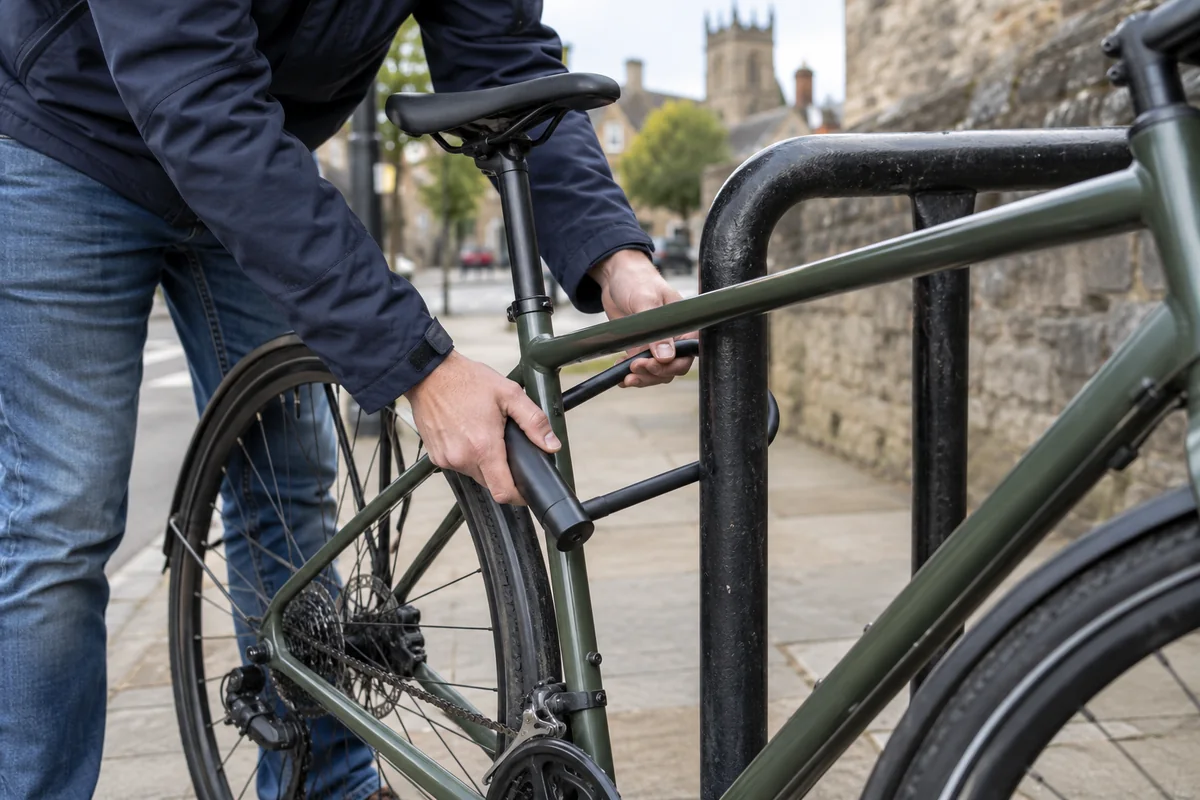
- D-lock: strong and relatively portable
- Chain: flexible around awkward stands but heavy
- Folding lock: compact with variable security
- Cable: useful as a secondary wheel restraint, not primary high-risk security
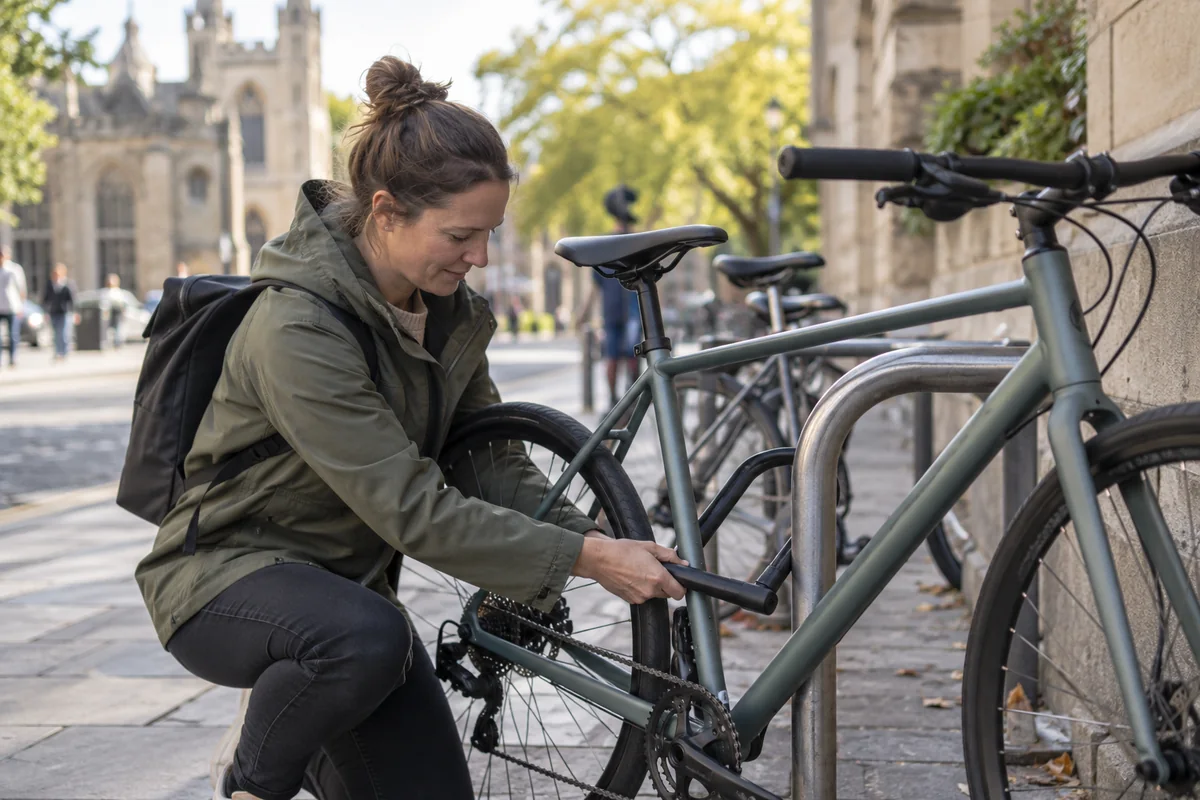
A better locking method
- 1
Choose a busy, well-lit stand fixed securely to the ground.
- 2
Lock the frame, not only a wheel.
- 3
Fill unused space inside the lock to reduce leverage.
- 4
Keep the lock away from the ground where it is harder to strike.
- 5
Secure quick-release wheels and remove easily detached accessories.
Check the current independent rating, exact model, shackle dimensions and your insurer's requirements. A budget lock is not appropriate for every bike or parking situation.
Ratings and policy requirements
Independent security ratings are useful, but product ratings can change and insurers may specify an exact level. Confirm the current product listing and your policy wording before purchase.
Check the current guidance
Rules, schemes and product ranges can change. These live links are the authoritative or independent starting points used for this guide.