Can you insure a bicycle in the UK?
Yes. Specialist providers offer insurance for bicycles used for commuting, leisure and other eligible riding. Some home insurers can also cover a pedal bike, subject to the policy's limits and conditions. Used bikes, family bikes and expensive custom builds may be insurable too; the provider must accept the bicycle, its value, your use and the available ownership evidence.
“Bike insurance” can also mean motorcycle insurance. For an ordinary bicycle, look for bicycle, cycle or pedal cycle insurance. “Cyclist insurance” may focus on the person riding, so check that a policy actually includes theft or damage to the bicycle if that is the loss you want covered.
Use the UK bicycle insurance companies directory to understand provider choices, then the cycle insurance comparison panel to examine product differences.
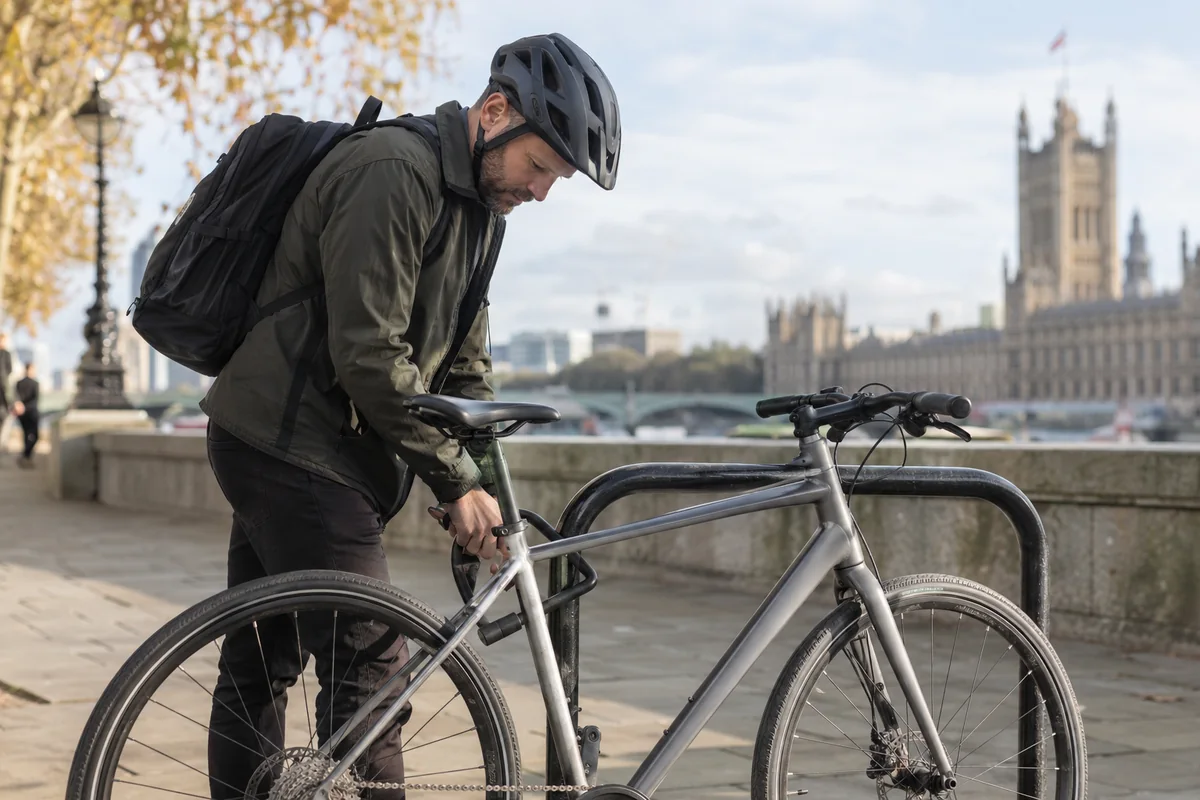
UK bicycle insurance provider reviews
Read our detailed reviews of the four providers in the directory. Each examines company information, cover choices, exclusions, security, claims and alternatives using official sources checked on 17 October 2026.
| Provider review | Main distinction | Start with this question |
|---|---|---|
| Bikmo bicycle insurance review | CLIK, CLIK+, GO, PLUS and RACE | Which of the five products covers my losses? |
| Cycleplan bicycle insurance review | Optional equipment, liability, personal accident and other benefits | Which optional benefits are actually selected? |
| Laka bicycle insurance review | Variable monthly contribution with an individual maximum | What are my monthly estimate, cap and add-on requirements? |
| Yellow Jersey bicycle insurance review | Essentials, Performance and Ultimate | Which tier accepts my trips and events? |
Use the side-by-side comparison to check the same features. This is a selected editorial shortlist, not the entire market or a ranking of claims performance.
Do I need bicycle insurance, and is it worth it?
There is no general legal requirement to insure an ordinary pedal bicycle for UK road use. Whether you should get bicycle insurance is a separate financial decision: consider what replacing the bike would mean for your budget and what protection you already have. Cycling UK's insurance guide explains the distinction between cover for your property and liability to other people.
Think about the consequence of a loss as well as the chance of it happening. A bicycle that gets you to work may create replacement transport costs even if its resale value is modest. A higher-value road bike may be affordable to maintain but difficult to replace after a theft. Conversely, an inexpensive bike, an affordable replacement and a large policy excess can make self-funding a practical option.
- Could you replace the bicycle promptly without borrowing or missing essential bills?
- Does your existing policy cover its full value at the places you leave it?
- Could you afford the excess, and would you realistically claim for smaller damage?
- Do you need protection against claims from someone you injure or whose property you damage?
- Are you buying benefits you already receive through another policy or cycling membership?
Insurance is not a maintenance plan. Routine tyre, chain and brake-pad replacement should remain part of your normal cycling budget.
How does bicycle insurance work?
You describe the bicycle and the risks you want covered, obtain a quote, then choose a start date and accepted cover. The premium is what you pay for the insurance. The excess is the amount you contribute to an eligible claim; it can vary by claim type. A limit is the maximum applicable payment, sometimes with separate limits for accessories or individual bikes.
The policy schedule records your selected bicycle, insured amount and options. The wording describes insured events, exclusions and duties such as locking requirements. An Insurance Product Information Document, often called an IPID, gives a shorter overview. Read it alongside the full wording, especially if a feature is central to your choice. Cycleplan's document library, for example, separates documents by policy start or renewal date.
After an insured incident, you contact the claims handler and supply the evidence requested. A successful claim might lead to a repair, replacement or cash settlement under the contract. New-for-old wording and market-value wording can produce different results, so the insured value and settlement basis need to be considered together.
What does bicycle insurance cover?
| Cover | What it can help with | What to verify |
|---|---|---|
| Bicycle theft | A stolen bicycle or insured equipment. | Home and away locations, approved locks, storage and unattended-time rules. |
| Accidental damage | An insured crash or other sudden damage to the bicycle. | Whether it is included, claim excess and exclusions for wear or existing damage. |
| Public liability | Eligible claims that you injured another person or damaged their property. | Who is insured, permitted riding and whether it applies on other bicycles. |
| Personal accident | Specified benefits for injuries or their consequences. | The benefit schedule, age limits and qualifying conditions. |
| Legal expenses | Eligible legal costs connected with an incident. | The type of dispute, prospects-of-success rules and reporting process. |
| Travel and events | Eligible bicycle losses on trips or during specified events. | Countries, trip duration, transit, competition discipline and required options. |
Do not treat a provider's list of available benefits as the contents of every policy it sells. Theft-only cover can leave crash damage outside the contract; bicycle cover abroad can leave medical treatment and repatriation outside it. Our public liability guide and cycling holiday insurance guide explain those separate needs.
What should your bicycle policy cover?
Answer for the way you actually use and store the bicycle. This produces policy features to compare, not an insurance recommendation or quote.
- A per-bike limit of at least £1,500, with the valuation basis and excess made clear
- Theft conditions for your normal home storage and the exact lock evidence a claim would require
- Away-from-home theft cover, including the unattended and overnight rules
- New-for-old versus market-value settlement, accessory limits and any depreciation
Ask each insurer to confirm the wording, limits and exclusions in the current policy documents.
Should you insure a bicycle on home insurance or a specialist policy?
Start by asking your home insurer what is already covered and what adding the bicycle would change. Establish the single-item limit, any need to name the bike, and whether theft and accidental damage apply away from home. A statement that “bicycles are covered” is not enough to confirm cover at a station rack, in communal storage or during a ride.
Then compare a specialist quote against the actual home-insurance terms. A specialist policy may offer useful cycling-specific benefits, but you should not buy twice without understanding overlap, excesses and claims handling. Ask how a bicycle claim would affect the home policy's claims record and future pricing; there is no universal answer.
A cycling membership is another place to check for existing benefits. Cycling UK distinguishes membership third-party liability insurance from separate bicycle cover. Liability protection alone does not replace a stolen bike. Read the full home insurance versus specialist bike insurance comparison.
How to insure your bicycle: a practical checklist
- Identify the bicycle. Record its make, model, frame number, age, specification and any upgrades.
- Establish the valuation basis. Ask whether the insurer needs current replacement cost, purchase price or another figure. Include equipment under the correct category.
- Describe how you ride and store it. Include commuting, paid delivery work, events, foreign trips and shared storage when the insurer asks.
- Check existing protection. Obtain the relevant home-policy and membership terms so you can compare without guessing.
- Collect consistent quotes. Use the same bicycle value, start date, excess and required benefits. Our quote comparison checklist helps keep the inputs aligned.
- Confirm security before cover begins. Check the exact lock model and rating, anchoring method and storage requirements.
- Keep the paperwork. Save the schedule, wording, receipts, photographs and claims contact details somewhere accessible if the bicycle is stolen.
For a financed or Cycle to Work bicycle, check the ownership and hire agreement as well. Tell the insurer who owns it and confirm how a total-loss settlement would be handled. Do not assume losing the bike ends any payment obligation.
How much does bicycle insurance cost?
There is no single UK bicycle insurance price. The bicycle value, cover selected, excess, insured use and the provider's pricing method all matter. Some providers use further risk information; others use a different model. An advertised starting premium is neither a personalised quote nor a market average.
Compare the total payable across the period you need. For instalments, include any charges. For variable monthly pricing, consider both the expected charge and the stated cap. A cheap bicycle insurance policy only meets your goal if the events you care about are covered and you can comply with its conditions.
To reduce cost, first remove unnecessary duplicated benefits, compare annual and monthly totals, check any genuine multi-bike terms, and consider an excess you could comfortably pay. Do not understate the bike's value or omit relevant use to make a quote cheaper. See our bicycle insurance cost guide for the budgeting questions to ask.
Road bike, mountain bike, gravel bike and e-bike insurance
Road and racing bikes
For road bike insurance, check upgraded wheels and components as well as the frame. Riding a racing bike recreationally and entering a licensed race are different uses: clarify the event, transit and accidental-damage terms before paying for competition cover.
Mountain and gravel bikes
Mountain bike insurance needs to fit your actual riding. Ask about ordinary trails, bike parks, downhill riding, timed events and competitions separately. Gravel riding may combine public roads, trails and organised events; the bicycle's category alone does not establish that all those activities are insured.
Electric bicycles
An electrically assisted pedal cycle that meets the applicable rules does not need compulsory motor insurance. An electric bike outside those rules can be treated as a motorcycle or moped. Check GOV.UK's electric-bike requirements and our e-bike insurance guide. Tell the provider about the motor, battery, conversion or modifications; a standard bicycle policy is not proof that a vehicle is road legal.
Bicycle theft insurance: security and evidence matter
Before leaving the bike, check how the policy treats that particular place: a private home, shed, garage, communal bike room, street rack or vehicle. Pay attention to the lock, how the frame is secured, what counts as an immovable object and any time limit. Sold Secure's product search helps verify a lock's certification, but the policy determines which specification and rating are accepted.
Keep photographs, the frame number and ownership evidence before anything happens. After a theft, report it to the police and insurer promptly, follow the claim instructions and retain relevant evidence such as the damaged lock if safe to do so. Check notification deadlines in your own wording.
Buying insurance after discovering a theft will not cover that earlier event. For an existing policy dispute, ask the insurer to explain the decision and its complaints process. The Financial Ombudsman Service explains how it considers eligible insurance complaints. Continue with our insurance-approved lock guide and bicycle theft claims guide.
Common questions about insuring bicycles
Can you insure a second-hand bicycle?
Potentially, yes. Check the provider's age, ownership-evidence and valuation requirements. Keep the seller's details, payment record and photographs, and ask about acceptable evidence before buying cover if there is no original shop receipt.
Can I insure more than one bicycle?
Many providers offer multi-bike arrangements. Compare each bicycle's limit and the combined policy limit, especially if one theft could affect several bikes stored together. A discount does not itself establish that the total cover is sufficient.
Does bicycle insurance cover London commuters?
Cover depends on the provider's eligibility and terms. Describe your actual home and work storage, particularly communal rooms and public racks. Do not assume a bicycle locked outside overnight is treated the same as one secured during a short daytime stop.
Where can I get bicycle insurance quotes?
You can ask your home insurer and specialist providers directly. Use our companies guide to identify providers and the comparison page to check equivalent cover before choosing. Each provider confirms its own price, eligibility and policy terms.
Policy documents and official guidance
RideIn provides general information, not a personal recommendation. Use the policy wording and schedule issued with your quote to confirm cover; product terms can change.
- Cycling UK: a guide to insuring your bike
- Cycling UK: membership liability and bicycle insurance
- GOV.UK: electric-bike rules
- Sold Secure: approved security products and ratings
- Cycleplan: policy wording and product information documents
- FCA: checking an insurance firm
- Financial Ombudsman Service: insurance complaints