The short version
- Best for mostly flat urban commuting, riders who dislike oily chains, and carrying a bike up steps
- Mivice M070 250W rear-hub motor with a torque sensor
- 36V 7Ah removable battery, approximately 252Wh, using cells from Samsung, LG or Panasonic
- Main trade-off: One gear limits cadence choice and steep-hill flexibility
Where the CGO600 fits
A light, stripped-back city e-bike that combines a rear-hub motor with a clean single-speed belt drive. It is most convincing on flatter commutes where simplicity, low weight and low routine maintenance matter more than climbing gears.
At a researched UK list price of £1,199, the important comparison is not simply motor power. Frame access, total mass, gearing, battery energy, service access and the regular route decide whether this lightweight urban e-bike is good value. Prices, colours and component substitutions can change, so the live Tenways page remains the final pre-purchase check.
Motor, torque and hill performance
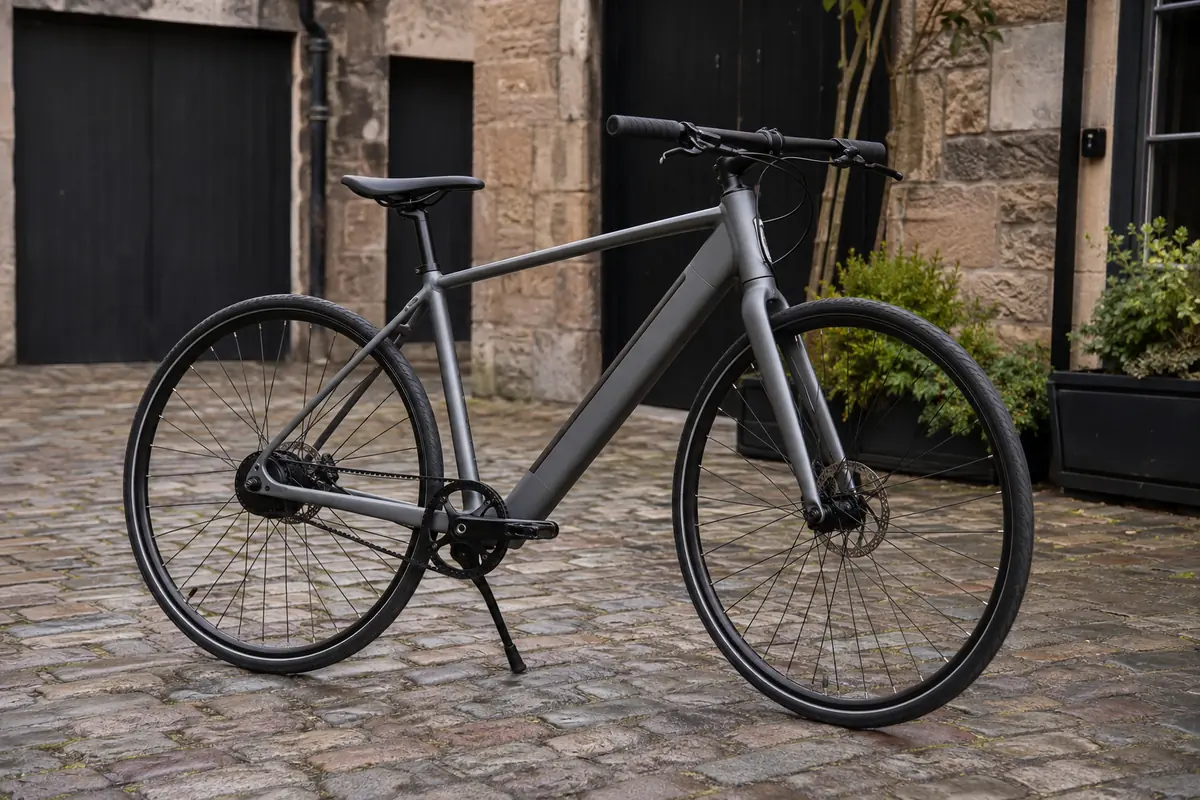
Tenways specifies the CGO600 with a Mivice M070 250W rear-hub motor with a torque sensor and 40Nm of maximum torque. A torque sensor measures pedal pressure and should add support in proportion to the rider’s input, which generally feels more natural than a simple rotation sensor. UK-compliant assistance must progressively cut out by 15.5mph; the motor does not make this a powered vehicle above that threshold.
Motor location and gearing matter as much as the headline torque. This bike uses single-speed belt drive; the current New Edition uses a custom Michelin belt while Classic stock may use Gates CDN. On a hill, the rider should choose an appropriate mechanical ratio where one is available, keep a smooth cadence and avoid forcing the drivetrain in an excessively high gear. One gear limits cadence choice and steep-hill flexibility
| Motor | Mivice M070 250W rear-hub motor with a torque sensor |
|---|---|
| Maximum torque | 40Nm |
| Battery | 36V 7Ah removable battery, approximately 252Wh, using cells from Samsung, LG or Panasonic |
| Claimed range | up to 70km under favourable test conditions |
| Transmission | single-speed belt drive; the current New Edition uses a custom Michelin belt while Classic stock may use Gates CDN |
| Brakes | Tektro hydraulic disc brakes |
| Tyres | 700C puncture-resistant tyres |
| Fork | rigid aluminium fork |
| Listed weight | about 15kg net and 16kg with fitted equipment |
| Maximum permissible load | 145kg for the New Edition; some Classic specifications list 140kg |
| Rider height | approximately 160–195cm, depending on frame size |
| Carrying | accessory compatibility varies by edition, so confirm mudguard and rack fittings on the exact bike |
Battery, charging and realistic range
The listed battery is a 36V 7Ah removable battery, approximately 252Wh, using cells from Samsung, LG or Panasonic. Tenways claims up to 70km under favourable test conditions, but that is an upper-limit marketing figure rather than a promise for every journey. Cold weather, hills, repeated starts, soft tyres, luggage, rider mass and high assistance can all reduce distance substantially.
Compare batteries in watt-hours, not only in kilometres. A sensible owner plans around the hardest regular return trip, keeps a reserve for detours and battery ageing, and charges with the supplied compatible charger in a dry place with a working smoke alarm. Stop using a battery that is swollen, damaged, unusually hot or has been immersed.
Ride, comfort and handling
With no derailleur and a modest rear motor, the CGO600 feels closer to an ordinary quick city bike than a heavy utility e-bike. The torque sensor responds to pedal pressure, so assistance should build progressively rather than arriving as an abrupt surge.
The single ratio is the defining choice. It removes shifting decisions and works neatly in stop-start town riding, but a steep climb still asks the rider to push the same gear even when the motor is helping. Stronger riders on rolling terrain may accept that; hillier commutes deserve a geared model.
Equipment and everyday practicality
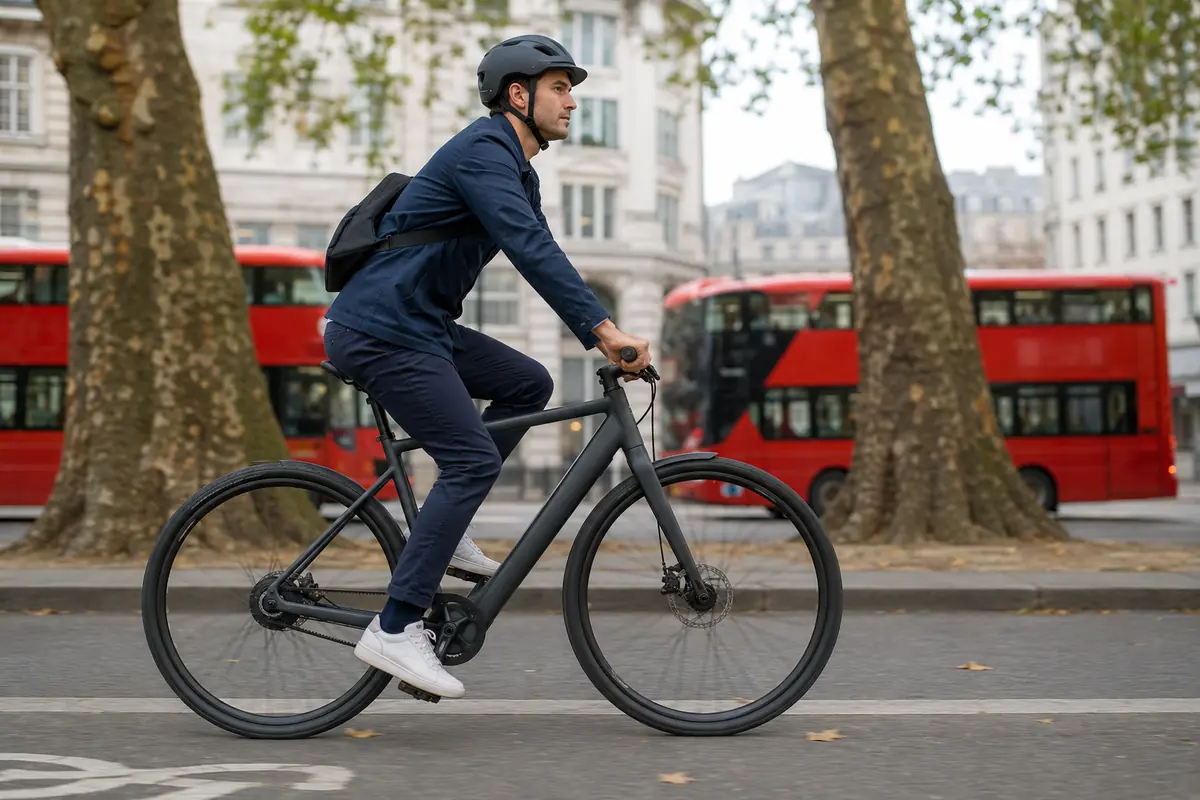
The core equipment is Tektro hydraulic disc brakes, 700C puncture-resistant tyres and a rigid aluminium fork. Listed weight is about 15kg net and 16kg with fitted equipment; the permissible load is 145kg for the New Edition; some Classic specifications list 140kg. Tenways positions the fit for riders around approximately 160–195cm, depending on frame size, but height is only a starting point. Reach, saddle position, stand-over clearance and control access need checking on the actual bicycle.
At roughly 15kg before accessories, this is one of the easier Tenways models to lift into a flat or onto a train. The trade is a smaller battery and less built-in carrying equipment than the heavier step-through and trekking bikes.
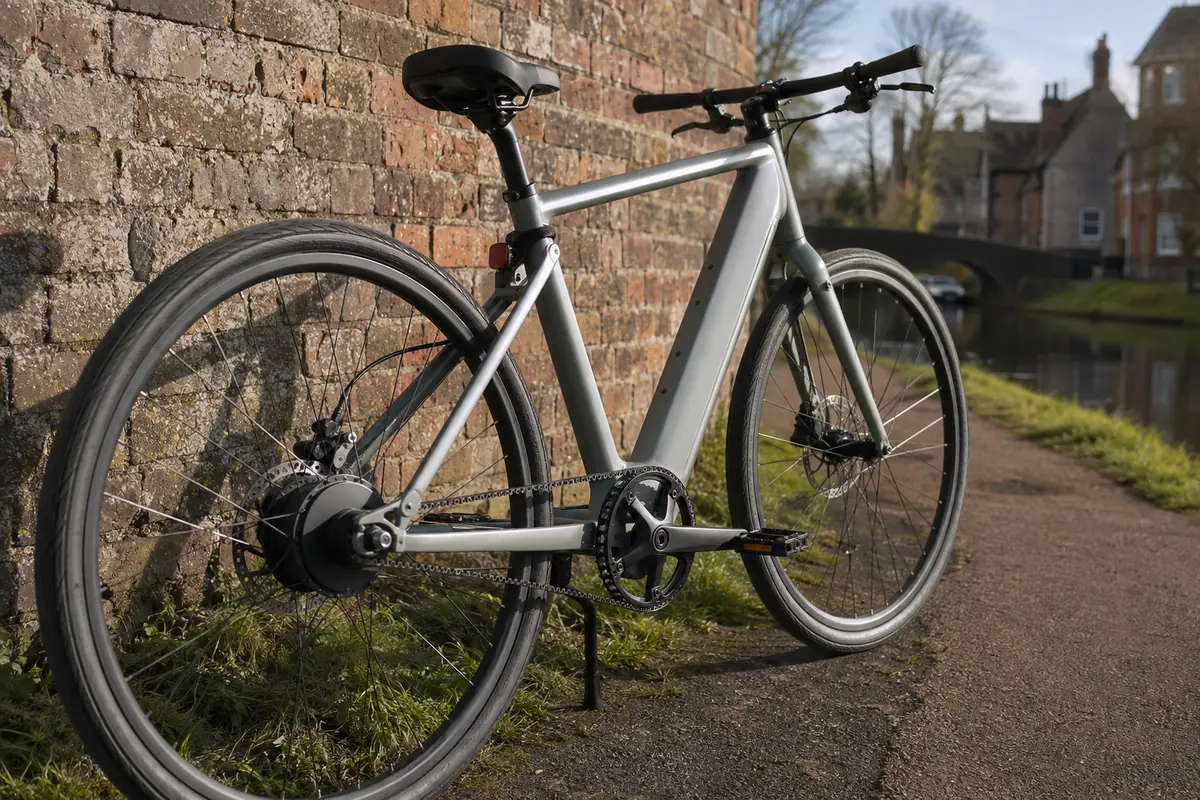
The belt avoids chain oil and should require little day-to-day attention, but it is not maintenance-free. Correct belt tension and alignment matter, and a replacement is less likely to be stocked by a general shop than a conventional chain.
What independent reviewers are saying
Independent commentary is broadly useful when it describes repeated ride characteristics rather than simply repeating a specification. For the CGO600, the published themes are reflected in the source notes below. RideIn has not presented this specification-led review as a laboratory test, and a new or lightly covered model has a smaller evidence base.
Road.cc CGO600 review: Independent assessment of its low weight, natural assistance and urban focus.
Strengths and disadvantages
The model’s attractions and limitations are best read together. A feature that benefits one route can be a compromise on another, so a decision should start with terrain, storage, carrying and local servicing rather than appearance alone.
- Strength: Unusually light for an e-bike
- Strength: Quiet, natural-feeling torque-sensor assistance
- Strength: Clean belt and hydraulic brakes reduce everyday fuss
- Disadvantage: One gear limits cadence choice and steep-hill flexibility
- Disadvantage: The small battery leaves less margin in cold weather or strong headwinds
- Disadvantage: Edition differences make the exact product listing important
Ownership, warranty and service checks
Tenways’ published UK warranty gives the frame and rigid fork longer coverage than most electrical components, while motors, batteries, controllers and displays generally have shorter defined periods. Consumables, crash damage, incorrect assembly, unauthorised modification and normal battery ageing are treated differently. Read the current terms rather than assuming every fault is covered.
Before ordering the CGO600, identify the retailer or service partner responsible for assembly, diagnostics and warranty labour. Check the frame number, charger marking, battery keys, firmware or app requirements and availability of model-specific spares. A local test ride should include a hill, repeated starts, hard controlled braking and low-speed turns.
RideIn verdict
Choose the CGO600 for lightness and elegant simplicity on a predictable, fairly flat route. Choose the CGO600 Plus if gradients or variable pace make gears more useful than the lowest possible weight.
The best match is mostly flat urban commuting, riders who dislike oily chains, and carrying a bike up steps. It is a weaker match when its listed disadvantages collide with a non-negotiable part of the journey. Compare the related Tenways models below and use RideIn’s main e-bike guide to check legality, battery safety, range and ownership costs before committing.
Official specification and independent evidence
Manufacturer pages establish the current listed build; independent reviews help test the marketing claims. Links open the exact sources used.