Company and range overview
ENGWE is a direct-to-consumer electric-bike brand with folding fat-tyre, commuter, step-through, cargo and moped-style models. The European catalogue includes names such as EP-2, Engine, L20 and P-series, but specifications can change between generations and regions.
A separate page for 'ENGWE MTB' would duplicate this brand guide. Mountain-bike wording describes a product category, not a different manufacturer, so all ENGWE electric-bike coverage belongs here.
RideIn has not filled gaps with a generic company biography. Where ownership, headquarters or service details could not be verified from credible sources, the absence is stated because it affects the risk of a direct purchase.
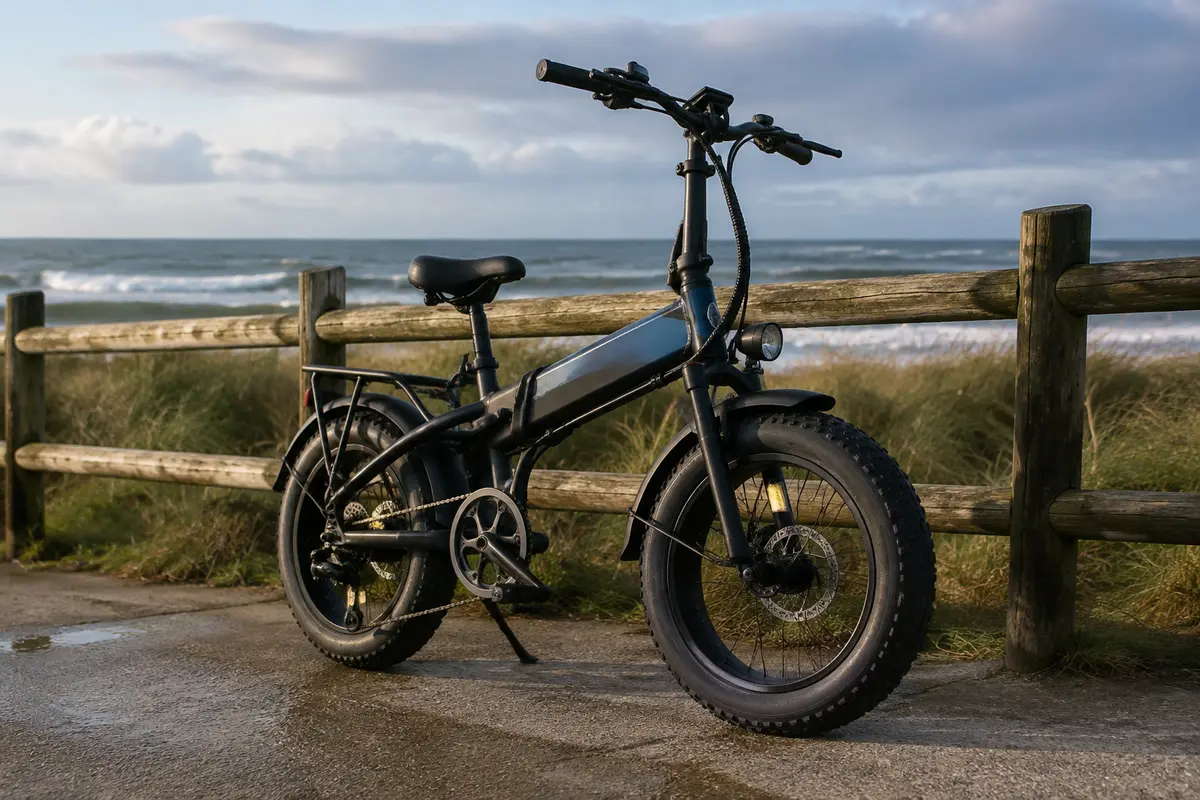
Where ENGWE operates and sells
ENGWE operates regional direct sites and distributes through other online channels. A buyer should confirm which legal entity takes the order, where returns go and whether the delivered bike is the UK or European configuration.
Some overseas ENGWE material describes power and speed well beyond normal British EAPC limits. Those figures must not be transferred to a UK-labelled model without checking the motor, controller and assistance behaviour on the exact bicycle.
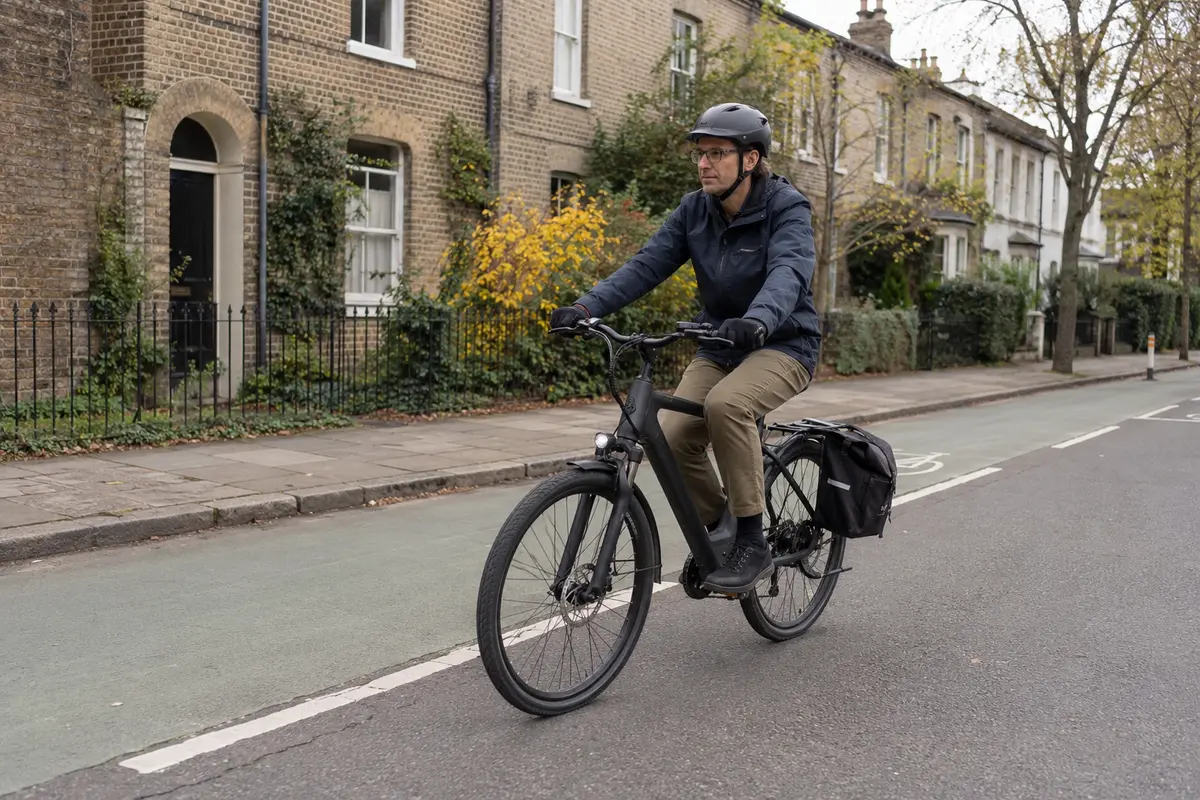
Warranty, servicing and evidence
ENGWE publishes contact, warranty and product-support routes, but boxed-bike ownership can still depend on remote diagnostics and shipped replacement parts. Confirm whether labour at a local workshop is covered or remains the owner's cost.
Folding joints, wide tyres, proprietary batteries and heavy rear wheels all deserve attention during assembly and servicing. Ask a workshop whether it is willing to work on the exact model before purchase.
A sales platform's consumer processes may help with a transaction, but they do not make every local workshop able to diagnose a proprietary electrical system. Identify service responsibility before the bicycle develops a fault.
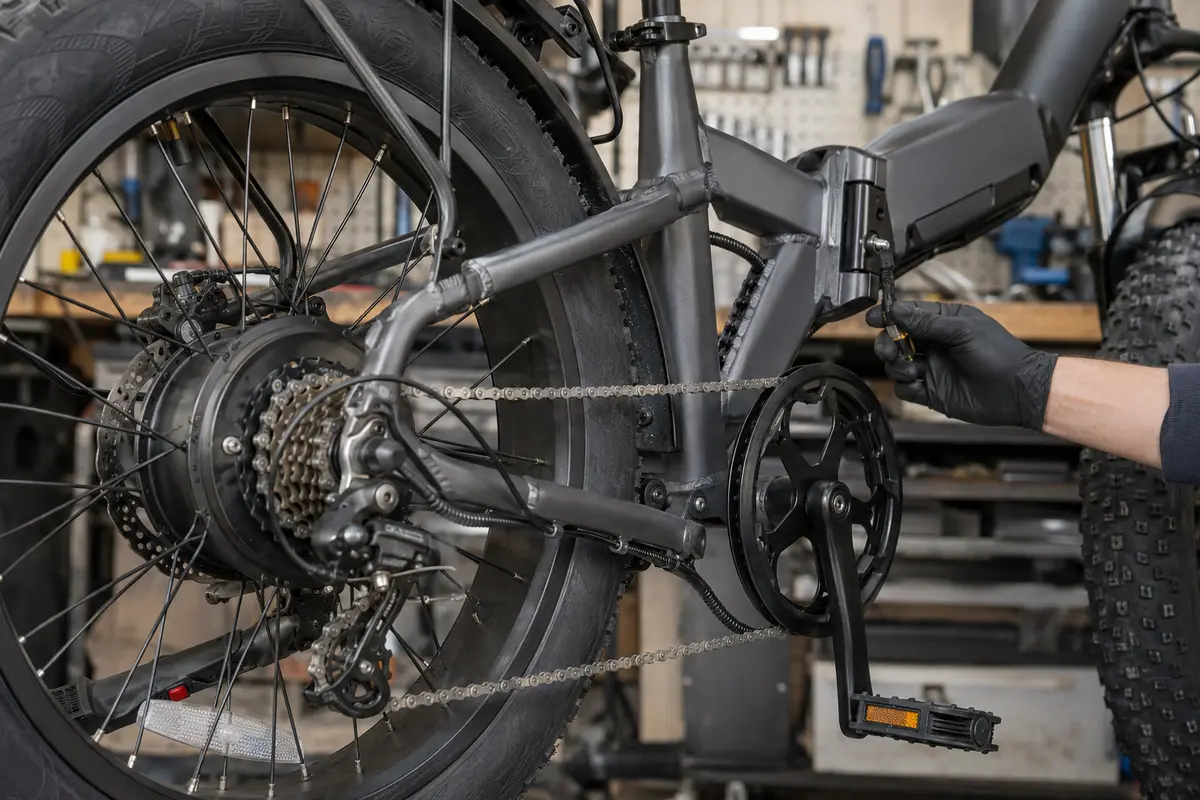
What to check before buying
Start with legality, safe charging, fit, weight and the regular route. A large battery or long equipment list is not good value when the bicycle cannot be lifted, serviced or lawfully used as intended.
- Identify the exact generation and regional variant.
- Verify public-road power, speed and throttle configuration.
- Check complete weight, folded dimensions and rack compatibility.
- Confirm replacement electrical parts, warranty labour and return carriage.
ENGWE useful links
Below, we’ve listed relevant information related to ENGWE, together with the official UK rules and battery-safety guidance that apply when assessing an e-bike.
- ENGWE official website↗Regional product catalogue and support entry point.
- ENGWE contact information↗Official customer-contact route.
- GOV.UK electric-bike rules↗
- UK Government e-cycle battery safety↗